

APR (Annual Percentage Rate) is the true yearly cost of a car loan, combining interest rates and fees – understanding and calculating it helps you compare loans, avoid hidden costs, and save money.
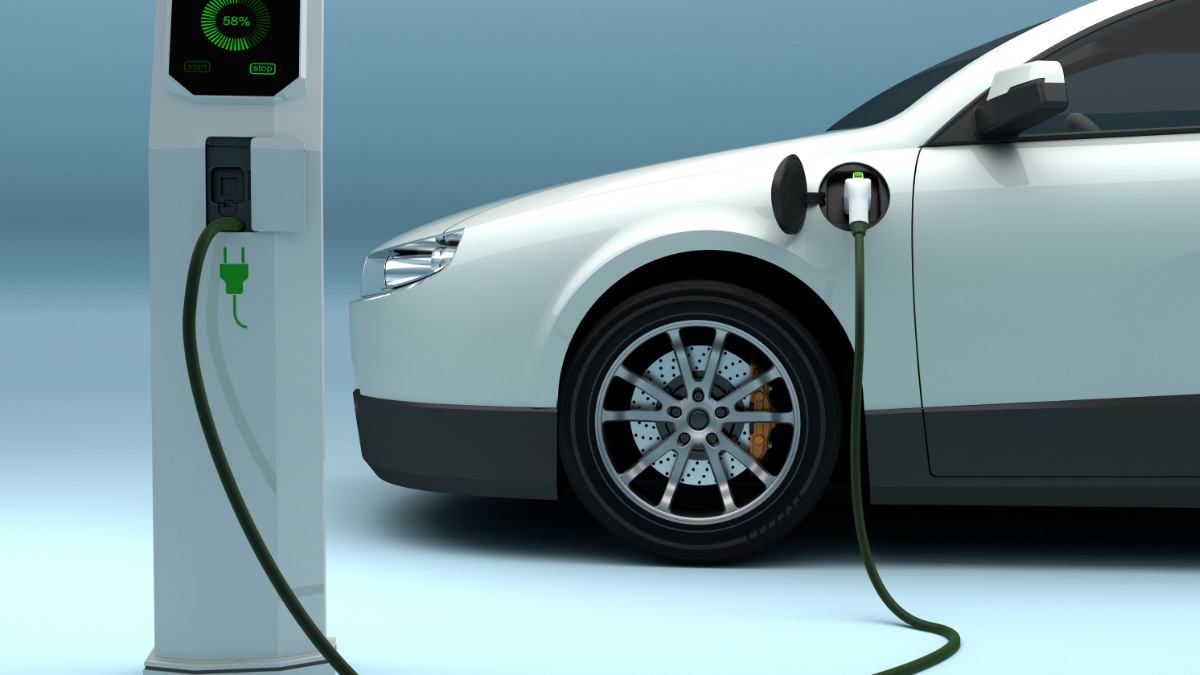
As we shift towards a greener future in the UK, electric vehicles (EVs) are stepping into the spotlight as a smart alternative to gas-powered cars. Offering zero emissions and lower running costs, the switch to electric is a trend that is showing no signs of stopping.
But as we embrace change, more drivers are facing the question of how best to charge EVs. Generally, the cost to charge an electric car can vary based on your vehicle model and local electricity prices, falling somewhere anywhere from a few pence to a couple of pounds for a full charge.
Moreover, rather than the comfort of pump-and-go, EV charging can take as little as 30 minutes to several hours. Read on to learn the ropes of the charging process, and figure out the ideal charging cost and time for your needs.
How Does Electric Car Charging Work?
The science behind electric cars is surprisingly simple – they use electricity stored in batteries to power an electric motor. In the same way as you recharge your phone, when you plug your EV into a charging station, electricity flows into the vehicle’s battery.
On a more technical level, the core of an electric vehicle is built upon its battery pack, usually made up of lithium-ion cells that store electrical energy. When you charge the car, the onboard charger converts alternating current (AC) from the charging station into direct current (DC) to store that energy in the battery.
Your car’s battery management system keeps an eye on the battery’s health, charge level, and temperature. This ensures safe and efficient charging without your intervention – preventing overcharging from damaging the battery.
Battery Size And Charging Speed
Battery capacity is measured in kilowatt-hours (kWh). A larger kWh rating means a bigger battery that can store more energy, meaning you can travel longer without charging at the expense of a longer charge time.
To understand general charge speeds, take a 60 kWh battery. If you’re using a charging station that delivers 10 kW, it would take around six hours to charge from empty to full.
Electric vehicles come with a range of battery sizes, but the most common battery capacities include:
- Small Battery (20-30 kWh): Great for short commutes, these batteries charge quickly but offer limited range.
- Medium Battery (40-60 kWh): Ideal for city driving and longer trips, these batteries balance range and charging time.
- Large Battery (80+ kWh): Designed for long-distance travel, these larger batteries provide extended range but may take longer to charge, depending on the charging setup.
What Are The Different Types of Electric Car Chargers?
Level 1 (Standard Home Outlet)
Level 1 chargers use a standard 120-volt household outlet to charge your electric vehicle. While this option is super accessible, it’s also the slowest, typically giving you 2 to 5 miles of range for every hour of charging.
Perfect for: overnight charging or short trips to the shop.
Level 2 (Home Charging Stations)
Level 2 chargers work on a 240-volt supply, providing about 10 to 60 miles of range per hour.
Perfect for: daily commuters or anyone using an EV as their primary mode of transport.
DC Fast Charging (Public Charging Stations)
DC fast charging stations are the quickest option available, located around public locations and supplying direct current at high voltage. They can charge an electric vehicle to 80% in about 30 minutes, giving you a range of approximately 100 miles or more in that time.
Perfect for: long road trips or quick top-ups for those who can afford the premium cost.
How to Charge an Electric Car
Charging your electric car is easier than you might think! If you’re charging at home from a standard 120-volt outlet in your home, all you need to do is connect the charging cable to your electric vehicle and the outlet.
If you have a level 2 (home charger) installed in your home, you typically have greater control over your charging schedule. Aim to set the charger to run during off-peak hours to save on costs.
Smartphone apps are your saviour for electric charging outside of your home. Apps like PlugShare or ChargePoint allow you to find nearby charging stations and see their availability.
Remember: Each public charging station tends to operate with different procedures. You can save money by taking a moment to read the posted instructions before you make any payments and initiate charging.
How Much Does It Cost to Charge an Electric Car?
To calculate the charging cost, multiply the battery capacity (in kWh) by the electricity rate. According to GreenMatch, the average cost of electricity in the UK is approximately 24.5p per kWh (as of September 2024).
For instance, charging a Renault Megane E-Tech (60 kWh battery) in the UK (current electricity cost of 24.5p per kWh) would cost approximately:
Cost = Battery Size (kWh) × Electricity Rate (pence per kWh)
Cost = 60kWh × 24.5p = 1470p = £14.70 for a full charge
Charging costs can vary based on battery size, so using the same example:
- Small EV (30 kWh): Approximately £7.35 to fully charge.
- Medium EV (60 kWh): Approximately £14.70 to fully charge.
- Large EV (80 kWh): Approximately £19.60 to fully charge.
How Long Does It Take to Charge an Electric Car?
Charging times can vary widely based on the type of charger you’re using. Below are time estimates depending on charger type:
- Level 1 Charging: Using a domestic three-pin socket can take anywhere from 12 to 24 hours to fully charge, depending on battery capacity. This method is the least efficient, and is best suited for those who can leave their vehicle plugged in overnight.
- Level 2 Charging: Charging times with dedicated wall boxes can vary based on power output, although a full charge typically takes between 4-8 hours.
- DC Fast Charging: Again, while charging speeds at public stations can vary, ‘rapid chargers’ can typically charge your EV battery to 80% in about 30 minutes – perfect pit stop timing to break up long journeys.
Frequently Asked Questions (FAQs)
How do you pay for charging an electric car?
Paying for EV charging is usually quick and convenient, with a few common options available:
- Apps: Many public charging stations use apps like ChargePoint and PlugShare. It’s as simple as creating an account, linking your payment method, and paying through the app when you want to start charging.
- RFID Cards: Some networks offer a preloaded RFID card that you can tap at the charging station to start charging for even greater convenience.
- Contactless Payment: Many modern chargers allow you to pay directly with contactless payment via a credit or debit card.
How much is it to charge an electric car at the supermarket?
The cost of charging at supermarkets varies, with many locations offering affordable or even free charging options. Here’s a quick breakdown:
- Free Charging: Some supermarkets, such as Sainsburys and Lidl, offer free charging for customers, often through slower 7 kW chargers.
- Paid Charging: Other locations, like Morrisons and Waitrose, offer paid charge for around £0.20 and £0.40 per kWh. Since November 2022, Tesco’s 7kWh chargers are no longer free – operating on a pay-as-you-go basis.
Can you charge an electric car at home?
Yes, you can absolutely charge an electric car at home, and it’s often the easiest and most practical option for EV owners. Most EVs come with a charging cable that plugs into a standard 120-volt outlet, allowing for Level 1 charging. Although Level 1 charging can take over 12 hours to fully charge, it’s suitable if you have a shorter daily commute and can charge overnight.
For quicker charging at home, consider installing a dedicated 240-volt wall box, known as Level 2 charging.This does require professional installation but can make a big difference in charging times.
If you are ready to explore competitive car finance options that suit your personal needs, apply for a free, no-obligation quote with Bright Motor Finance.
Apply For A Free Quote In 60 Seconds