

When choosing a car in 2025, it can be difficult to choose between the different models available. While petrol and electric are both popular choices on the road today, hybrid cars provide an option in between.
When looking at hybrid models, it can be hard to know which option is best for your lifestyle and driving needs. How does the car combine fuel and electricity? What happens if you run out of battery? Can the car run entirely on electric?
Plug-ins and mild hybrids offer flexibility when it comes to cost, fuel-efficiency and emission reduction. They’re also growing in popularity alongside electric cars. This article explains everything you need to know when looking for a hybrid car.
What Is A Plug-In Hybrid?
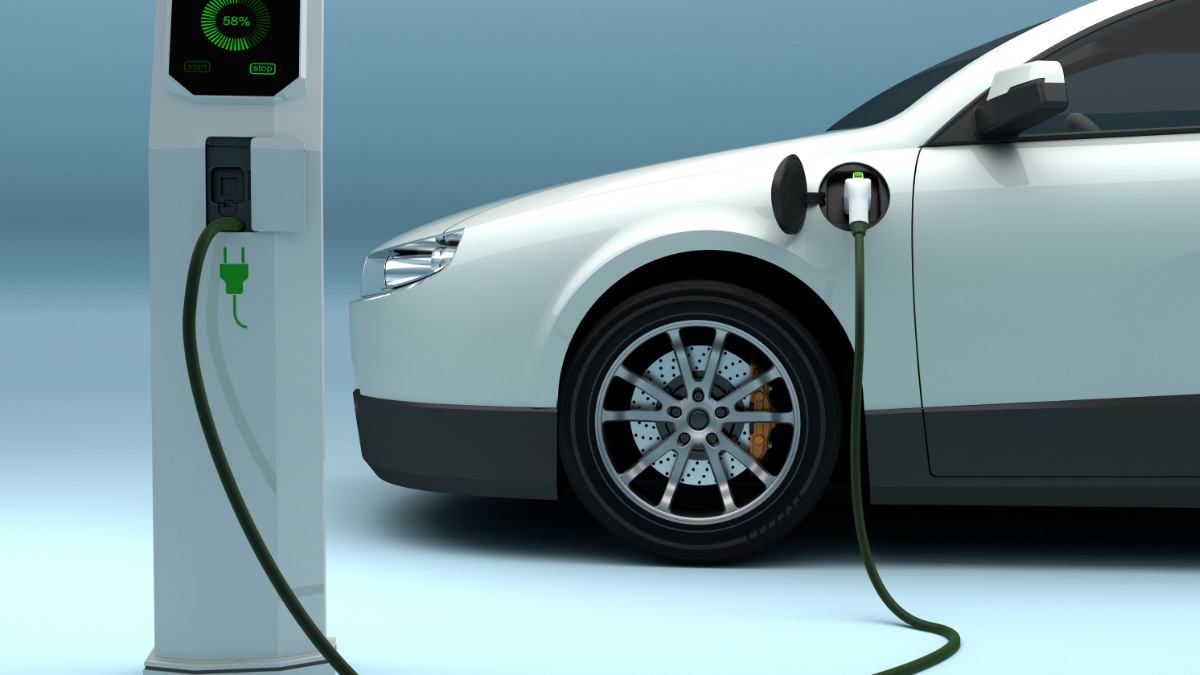
Plug-in hybrids, sometimes known as PHEV’s, combine traditional internal combustion engines with an electric motor and battery. Plug-in hybrids are charged externally, using public or private charging infrastructure.
These cars can drive short distances using only electric power, but on longer journeys will switch to their traditional engine, which is fuelled with petrol or diesel. Being able to drive short distances using only electric power is great for city drivers and those with a short commute.
Why Is A Plug-In Hybrid A Sensible Option in 2025?
Plug-in hybrids can be particularly cost-effective for drivers travelling short distances, like going shopping or commuting to and from work. Electric charging is cheaper than petrol or diesel, making them the smartest choice for small journeys.
Plug-ins are also great for reducing emissions, which is particularly important in cities and large towns. In some regions, this can mean you are eligible for government incentives.
If you choose a plug-in hybrid, you aren’t just restricted to short journeys. On longer routes, the car will automatically switch to its petrol or diesel engine, maximising efficiency and ensuring you can keep on the move.
Choose A Plug-In Hybrid If:
• You mostly drive short distances
• You have charging infrastructure at home or work
• You want to reduce your carbon footprint without buying a fully electric model
• You require flexibility for longer journeys
Popular Plug-In Hybrid Models in 2025
A lot of popular makes and models are now available as plug-in hybrids, making it easier than ever to choose a car that suits you:
• Toyota RAV4 Plug-in
• Volkswagen Gold 1.5 TSI eHybrid
• Hyundai Tucson Plug-in Hybrid
• BMW 330e
• Volvo XC60 Recharge
• Ford Kuga Plug-in Hybrid
Charging A Plug-In Hybrid
The key difference between plug-ins and mild hybrids is that a plug-in hybrid requires charging. This can be a very straightforward process, but it’s important to understand how this works before you buy a plug-in hybrid.
There are three key types of charging for electric vehicles: home charging, public charging, and workplace charging. Workplace charging is less common, but is growing in popularity as electric vehicles gain popularity.
Home charging can be done with either a standard household outlet or a wallbox charger. Standard household outlets are significantly less efficient than wallbox chargers, and are generally not recommended for regular use. A wallbox charger, on the other hand, is cost-effective and efficient. The charger must be installed by a qualified electrician, and can cost up to £1000, but should be able to fully charge a PHEV in less than 4 hours.
Public charging is rapidly growing in the UK, with stations in urban centres, shopping areas and service stations. Charging ranges from slow to rapid, but rapid chargers are usually designed solely for electric vehicles. If you want to charge your car in public, costs vary depending on time and energy used, but there are apps available to help you manage payments.
Workplace charging is more common in towns and cities, and is great for topping up charge during the day. Some employers will subsidise this as an employee benefit.
What Is A Mild Hybrid?
A mild hybrid combines a petrol or diesel engine with a small electric motor, which improves both the car’s efficiency and its impact on the climate.
Most mild hybrids employ regenerative braking. This means the kinetic energy from braking and decelerating is recovered and converted into electric energy. Electric energy is then stored in the battery, which can then be used to power the car.
Why Is A Mild Hybrid A Sensible Option in 2025?
Mild hybrids are great for drivers who like the experience of driving petrol or diesel cars, but who still care about efficiency and reducing emissions. They also require zero plug-in charging infrastructure, which is especially helpful if you are a driver in a rural area.
While mild hybrids are refuelled using petrol or diesel, they offer added efficiency through their battery, so journeys can be smoother without having to worry about charging up.
The initial purchase price of a mild hybrid is generally cheaper than an electric or plug-in hybrid model, making them the most cost-effective choice for climate-conscious drivers.
Choose a Mild Hybrid if:
• You regularly drive longer distances but want an efficient car
• You don’t have access to charging infrastructure locally
• You want to balance affordability with environmental efficiency
• You like the driving experience of a petrol or diesel engine
Popular Mild Hybrid Models in 2025
With mild hybrid models running similarly to traditional petrol and diesel engines, transitioning to a more economical vehicle has never been easier:
• Suzuki Ignis SHVS
• Ford Puma Mild Hybrid
• Kia Sportage Mild Hybrid
• Volvo XC40 Mild Hybrid
• Vauxhall Astra Mild Hybrid
Key Differences Between Plug-Ins and Mild Hybrid
| Feature | Plug-in Hybrid | Details |
| Electric-Only Driving | Yes | No |
| Requires Charging | Yes | No |
| Upfront Cost | Higher | Lower |
| Fuel Efficiency | Most efficient on short trips. but significantly more efficient than petrol or diesel cars | Improves on the traditional petrol or diesel engine’s efficiency |
| Emissions | Lower, particularly when driven in electric mode | Lower than petrol/diesel engines, higher than electric and plug-in hybrids |
The Future of Hybrid Cars in the UK
The UK intends to ban the sale of new petrol and diesel cars by 2030, so choosing a plug-in or mild hybrid is a sensible move looking to the future. Both offer practical solutions for drivers who can’t, or don’t want to, choose a fully electric car right now.
While it seems likely that PHEV’s will continue to fit emission regulations for years to come, mild hybrids may not always meet regulatory standards. With that in mind, a plug-in could be a better long-term investment. Mild hybrids may become less relevant as the market moves further towards electric cars, but they remain useful if you don’t have suitable charging infrastructure, or if you need a reliable car for travelling long distances.
If you are ready to learn more about competitive car financing options for vehicles that suit your particular lifestyle and driving needs, apply for a free, no-obligation quote today.
If you are ready to explore competitive car finance options that suit your personal needs, apply for a free, no-obligation quote with Bright Motor Finance.
Apply For A Free Quote In 60 Seconds