

Whether you are driving through the countryside to meet family and friends, exploring a relocation possibility, or simply seeking a change of scenery, there are picturesque country routes across the UK. However, the experience of driving through the quiet, narrow country roads is very different to urban, or suburban, driving.
The challenges for new countryside drivers include environmental difficulties and confusing routes, and sometimes wildlife or livestock too. This piece breaks down some of the biggest challenges when venturing into the countryside, along with helpful countryside driving tips to avoid trouble if you come up against them.
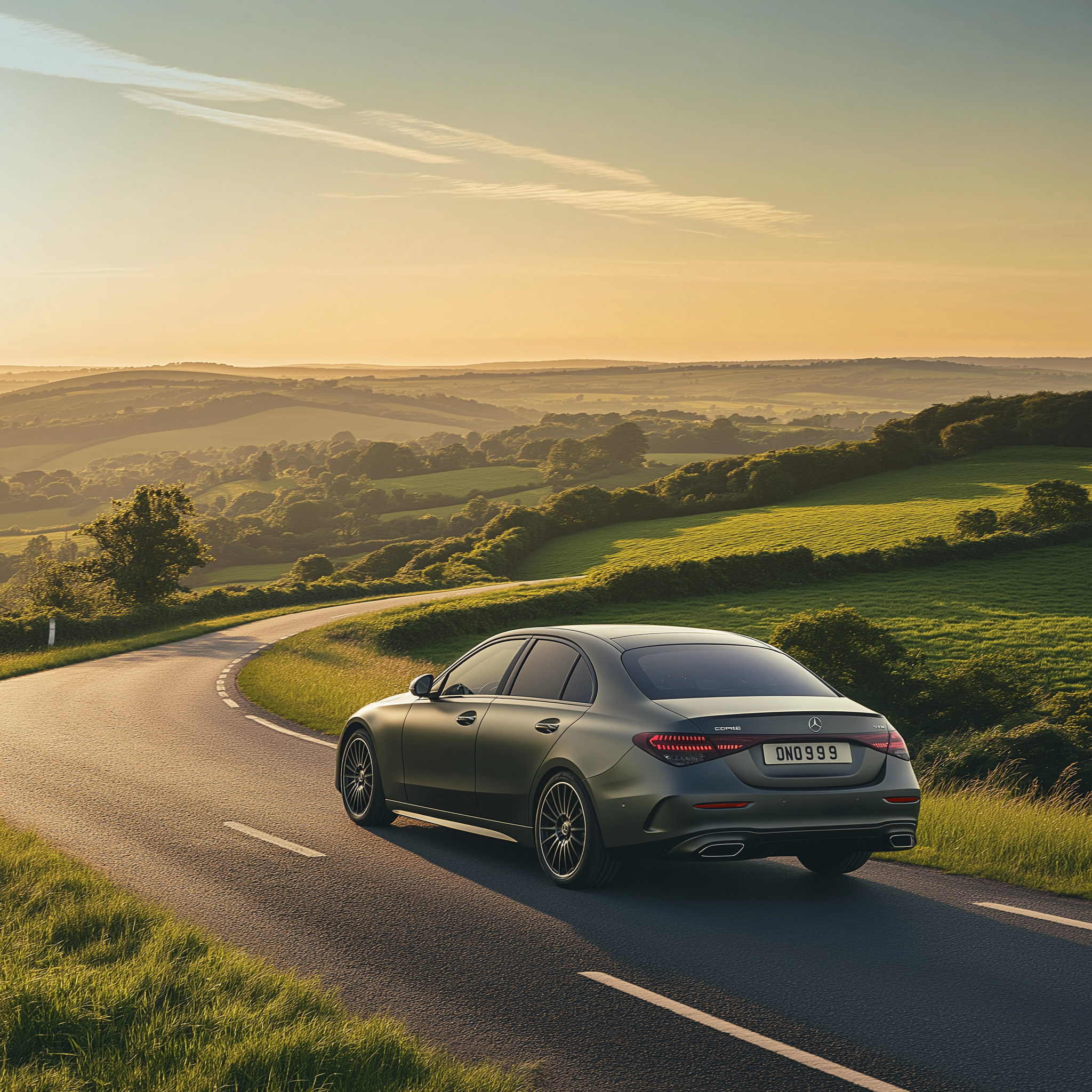
Routing And Rerouting
The British countryside is known for its long, narrow, winding roads, which are significantly less marked than urban routes. Having a reliable GPS or map is essential for rural navigation, whether that be on a mobile app or an in-car infotainment system.
Sometimes, road conditions and planned engineering can mean that more popular routes are closed. This is why it’s always a good idea to plan a backup route or two.
When planning your journey, identify suitable petrol stations and stopping locations, as these are less frequent in the countryside. Always inform someone of your travel plans ahead of time, as mobile signal can be particularly patchy in rural areas.
For more comprehensive countryside driving advice, consider watching the following video:
12 Expert Tips to Ace your Driving on Country Roads
Driving For Narrow Roads
Driving on narrow lanes can be a new experience for seasoned city drivers. Understandably, it requires more caution and thought than wider, well-marked urban roads.
When driving on a narrow road, always endeavour to maintain the correct road positioning, even if it is tempting to drive in the middle of the road. It is common to pass other cars, as well as farm vehicles and machinery, so beginning in the correct position is always best.
Some roads will be poorly marked, so it is important to use your best judgement when it comes to positioning, giving way and stopping. Always drive with your safety in mind, especially if you are unfamiliar with the road.
If you encounter farm machinery, such as a tractor or combine harvester, be patient. These slow moving vehicles often travel short stretches on roads, before turning off onto private land. Do not overtake a farm vehicle until it is safe to do so, with sufficient visibility and space.
It is also important to maintain a sensible speed on these lanes, as visibility is typically worse, and there can be limited space to pull in. Even if the road adheres to the national speed limit, consider going slower. This can prevent collisions and give you optimum stopping time if something is coming the other way.
Wildlife And Livestock
Animals are a common sight throughout the countryside, so it is no surprise they can also appear on our roads. There is lots you can do to ensure animals remain safe on the road.
Rural animals like deer and rabbits are known for crossing rural roads. This is particularly common at dawn and dusk. Certain signs will have warning signs if the area is prominent for animal crossing. In these situations, always adopt an appropriate speed and be vigilant.
Dealing with livestock and pets can be a different story. It is common for farmers to move livestock between grazing locations, which may involve using stretches of road. Always respect the farmer and keep a safe distance away from any moving animals. With animals like horses, which can be skittish, riders usually encourage you to pass slowly, at a safe distance.
Sometimes you may see an animal somewhere you don’t think it should be. If this happens, do not approach the animal. Assess the area to see if a farmer or owner is nearby. If not, consider notifying somebody at the nearest town or village you reach. Rural communities often know local farmers and land owners, so can notify the correct people.
Car Preparation
As with any journey, it is advisable to check your car before setting off. This is especially important in rural areas, especially if you are unfamiliar with the route you are travelling. Services and garages can be few and far between, so it is better to know ahead of time that the car is safe and fit to drive.
Country roads can have poor surfaces due to a lack of regular maintenance. These conditions will be very different to the usual experience of urban and suburban drivers, but should be safe as long as safety is prioritised when you drive. Carrying a spare tire is always advisable, especially on long rural drives.
Final Thoughts
Driving in the countryside should be an enjoyable experience for motorists. By ensuring you are safe and prepared, you can enjoy the unique opportunity to view the sights of the country, and take a break from city environments. Taking your time to view the surroundings and appreciate rural communities will always make the journey more enjoyable.
Ready to explore competitive car financing to suit your unique needs? Get a quick 60-second quote today.
If you are ready to explore competitive car finance options that suit your personal needs, apply for a free, no-obligation quote with Bright Motor Finance.
Apply For A Free Quote In 60 Seconds